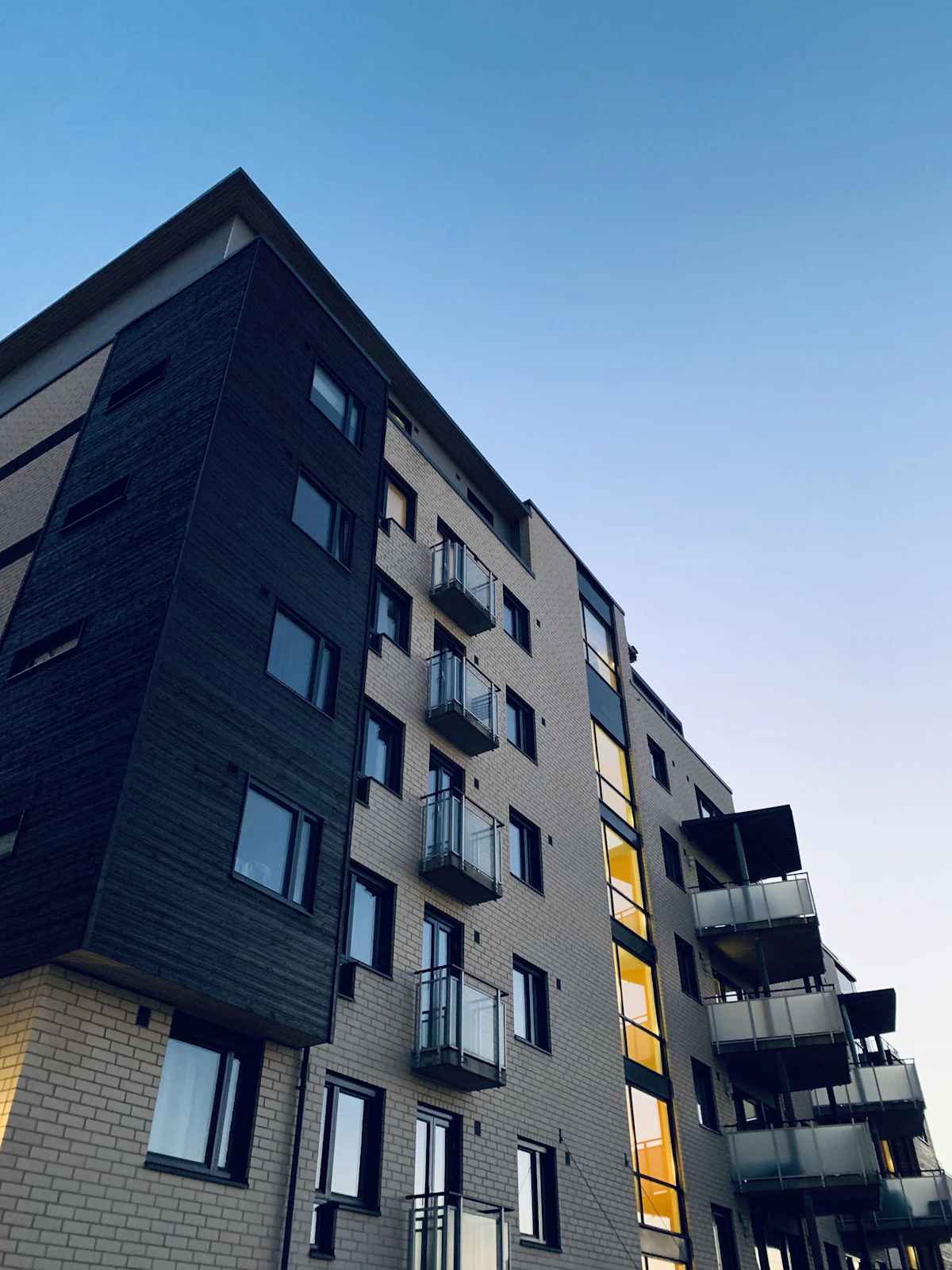
Flood Protection for Townhomes and Condos
Townhome and condo owners face a flood protection challenge that single-family homeowners don't: shared infrastructure and divided responsibility. Your unit may be well-protected while the unit next door becomes a pathway for water to reach you. Your HOA may control the drainage systems, exterior walls, and common areas that determine whether water reaches your unit at all. Effective protection requires both unit-level measures and active engagement with your association.
Understanding the Boundary: Unit vs. Common Area
Before you can protect your unit, you need to understand where your responsibility ends and the HOA's begins. Review your Covenants, Conditions & Restrictions (CC&Rs) and Declaration documents carefully. Typical boundaries:
| Element | Typical Owner Responsibility | Typical HOA Responsibility |
|---|---|---|
| Interior walls, flooring, contents | ✓ Owner | — |
| Exterior walls and envelope | — | ✓ HOA |
| Roof | — | ✓ HOA |
| Foundation | — | ✓ HOA |
| Unit plumbing within walls | Often Owner | — |
| Common area drainage | — | ✓ HOA |
| Parking garage/lower level | — | ✓ HOA |
| Individual patio/balcony | Often Owner | — |
This boundary matters because it defines your legal authority to make modifications. Installing a backwater valve on your unit's plumbing may require HOA approval if it involves accessing building plumbing in common walls. Modifying your unit's door threshold is typically your right; modifying the building entrance requires association approval.
Unit-Level Protection Measures
Within your unit's footprint and responsibility area, several measures reduce flood risk without requiring HOA involvement:
Doorway Flood Barriers
For ground-floor units with exterior door access, a deployable door barrier is your primary defense against exterior flooding reaching your unit. The Dam Easy Door Barrier creates a watertight seal against standard door frames to 23 inches of water depth, with no permanent modification required. It stores behind a door or in a closet and deploys in under a minute. For sliding glass doors, look for a purpose-built panel system that seals the track and frame.
Water Alarms
A WiFi water sensor placed at floor level near your unit entrance, in the bathroom, under the kitchen sink, and at any below-grade access point (if applicable) provides early warning of water intrusion from any source — a burst pipe from an upstairs neighbor, exterior flooding, or common area backup. At $15–40 per sensor, they're among the best-value flood protection investments available.
Contents Elevation
For ground-floor units, store valuables and electronics above potential flood levels. Use shelving units, raised platforms, and elevated storage for items below 12–18 inches from the floor. This doesn't prevent flooding but dramatically reduces losses when it occurs.
Unit Plumbing
If your unit has a floor drain (common in bathrooms or laundry areas), this is a potential backflow entry point during building-wide sewer backup events. A drain plug or standpipe cap ($15–40) prevents sewage from backing up through this drain during a sewer surcharge event.
Flood Insurance for Condo and Townhome Owners
Flood insurance for attached dwellings has a split structure that confuses many owners:
- HOA/master policy: Covers the building structure (exterior walls, roof, common areas) up to $500,000 per building under NFIP. This is the association's responsibility to maintain.
- Individual unit owner policy (RC/RCBAP): Covers your personal property and, for condo units, interior improvements (flooring, cabinets, interior walls) you own above the "bare walls" standard.
The gap between these policies is where condo owners get hurt. If flooding damages your unit's flooring, cabinetry, and appliances, the HOA master policy covers the structure but typically not your unit-specific improvements installed after the original construction. An individual NFIP Residential Condominium Building Association Policy (RCBAP) or private flood policy fills this gap.
Verify what your HOA master flood policy covers — specifically, the "standard of construction" they insure to (bare walls vs. betterments and improvements). Request a copy of the HOA's flood policy declarations page and compare to your unit's actual fit-out.
Engaging Your HOA on Flood Risk
The most impactful flood protection for a townhome or condo development happens at the building and site level — which means the HOA must act. Here's how to drive that conversation effectively:
Document and Present the Risk
At a board meeting or in a written communication, present the community's flood risk using FEMA FIRM data, historical flooding events in the area, and the financial exposure if common areas flood. A single flooding event in a parking garage or ground-floor common area can trigger six-figure assessments on all owners.
Propose Specific Measures
Vague requests ("improve flood protection") get ignored. Specific proposals with cost estimates move forward. Common high-value HOA flood measures:
- Parking garage flood barriers: Deployable panels that seal parking structure entrances are relatively low-cost ($5,000–25,000) and can prevent total garage flooding. Systems like AquaDam or commercial-grade aluminum stop log systems are specifically designed for this application.
- Drainage maintenance program: Regular inspection and clearing of storm drains, catch basins, and drainage swales on the property. Many flooding events in attached housing communities are caused by debris-clogged drainage that could be cleared in an afternoon.
- Sump pump inspection and maintenance: If the building has a sump system, ensure it's inspected annually, has battery backup, and has monitoring. Deferred maintenance on sump pumps is a common cause of preventable flooding.
- Building exterior sealing: Identify and address foundation cracks, window well issues, and door threshold gaps in common areas and building perimeter.
Know Your State's HOA Law
State HOA statutes vary widely in terms of owner rights, board obligations, and access to common areas for maintenance. In many states, if the HOA fails to maintain common area drainage and your unit floods as a result, you may have a claim against the association. Understand your rights before a flood event, not after.
High-Rise Condo-Specific Considerations
Owners in high-rise buildings above the flood-risk floors face different but real risks:
- Elevator shaft flooding: If the building's ground floor floods, elevator shafts and mechanical rooms (often in the basement) can be severely damaged, leaving upper-floor units inaccessible. The building's master flood plan should address this.
- Burst pipes from freeze events: Not flood-related, but a common cause of catastrophic water damage in high-rise units. Know your building's shutoff valve locations and who to call.
- Upper-floor unit flooding from lower floors: A flooded unit on a lower floor can migrate water to units above through shared wall cavities, elevator shafts, and HVAC chases. Prompt remediation of any lower-floor flooding is essential for the whole building.
For a comprehensive look at your flood zone designation and what it means for your property, read our Understanding Flood Zones guide. Use our Free Flood Risk Assessment to score your property's specific risk factors.