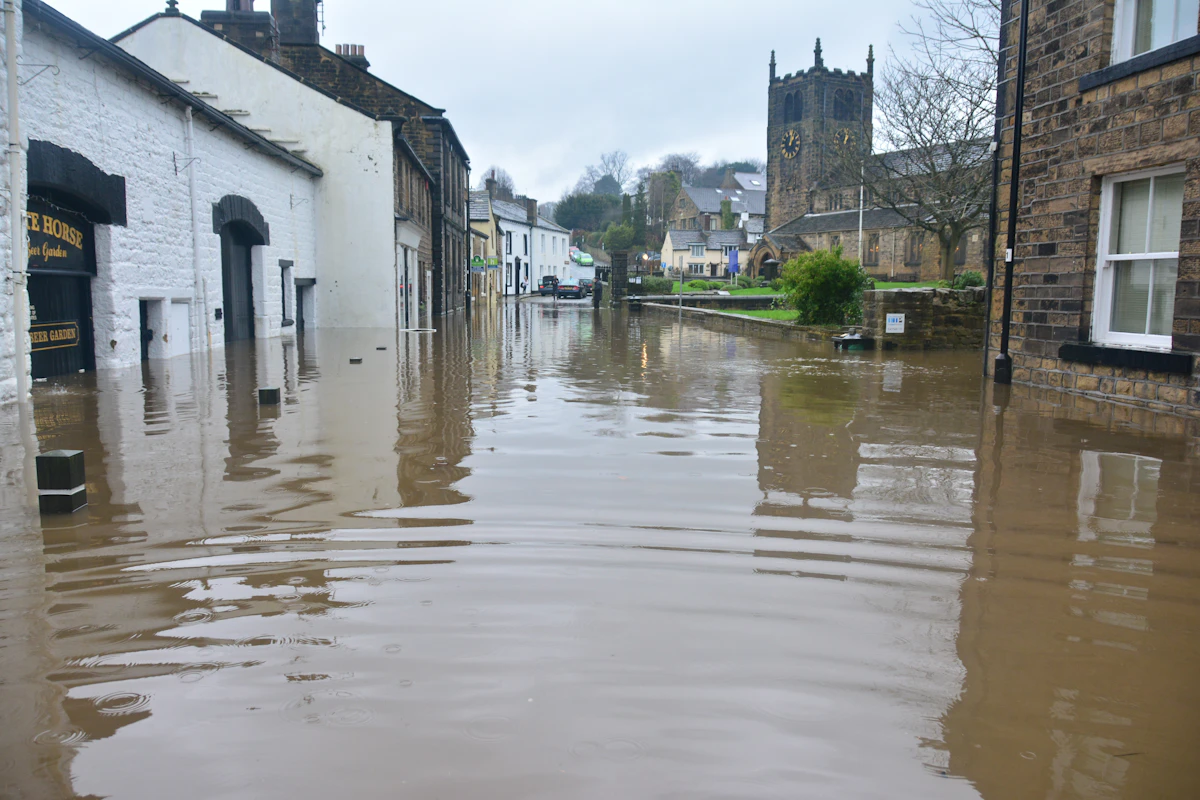
How High Can Floodwater Rise in a Home?
The most dangerous misconception about flooding is that it takes feet of water to cause serious damage. It doesn't. Just 1 inch of water in a home causes an average of $25,000 in damage, according to FEMA. One foot can total a house. And depending on location, flood zone, and event type, water inside a home can rise to the ceiling, the second floor, or higher. Understanding what happens at each depth — and what you can do to protect against it — is the foundation of flood mitigation.
How Fast Can Floodwater Rise?
The speed of water rise depends heavily on flood type:
- Flash floods: Can rise 1 foot per minute in canyon terrain. Urban flash floods can rise 6–12 inches in 15–20 minutes.
- Riverine flooding: Typically rises 1–6 inches per hour as rivers reach flood stage — slower, but can sustain high water for days or weeks.
- Coastal surge (hurricane): Storm surges can deliver 10–20 feet of water in hours during major hurricanes. The surge from Hurricane Katrina reached 28 feet in some areas.
- Urban stormwater flooding: During a severe storm event, streets can accumulate 6–12 inches of standing water in under an hour as drainage systems saturate.
What this means for homeowners: you often have less time than you think. Even "slow" riverine flooding can reach interior floor levels within a few hours. Flash floods can overwhelm a home before you've finished moving valuables off the ground floor.
What Happens at Every Flood Depth
| Depth Inside Home | What's at Risk | Average Damage Cost |
|---|---|---|
| 1 inch | Floor coverings, drywall wicking, insulation, baseboards | $20,000–$30,000 |
| 4–6 inches | Flooring system (subfloor, joists), door frames, lower cabinets | $35,000–$55,000 |
| 12 inches (1 foot) | Wall cavity insulation, electrical outlets, lower appliances | $60,000–$90,000 |
| 24 inches (2 feet) | Most first-floor outlets, dishwashers, lower cabinetry, HVAC base units | $80,000–$120,000+ |
| 4 feet | Most first-floor contents, full drywall replacement, structural concerns begin | $100,000–$200,000+ |
| 8+ feet (above first floor) | Possible total loss; structural integrity compromised; second floor contents | Total loss or near-total |
These figures are why FEMA flood insurance has a maximum structure coverage of $250,000 for residential properties — events producing 2–4 feet of interior flooding regularly approach that ceiling in high-value markets.
Historical Flood Depths: What Actually Happens
The "100-year flood" designation is often misunderstood. It doesn't mean a flood occurs once per century — it means there is a 1% probability of that flood level occurring in any given year. Over a 30-year mortgage, a home in a 100-year flood zone has a 26% chance of experiencing that flood event.
Historical data from FEMA and the National Flood Insurance Program provides context:
- Average NFIP residential claim payout: Approximately $52,000 — indicating typical interior flood depths in the 6–18 inch range
- Hurricane Harvey (Houston, 2017): Many homes received 3–6 feet of interior water. Some neighborhoods sustained over 10 feet.
- Hurricane Katrina (Louisiana, 2005): Entire neighborhoods submerged to second-story level; storm surge depths exceeded 20 feet in coastal areas
- Iowa riverine flooding (2008): Slow-rise flooding over 3–4 days brought 6–8 feet of water into homes along the Cedar River
- Urban flash flooding (Nashville, 2010): 13+ inches of rain in 36 hours; first floors in low-lying areas received 2–4 feet of water
These aren't rare events. They are recurrent patterns in flood-prone regions. Your exposure depends on your flood zone designation and local hydrology.
The Base Flood Elevation: What It Means for Your Home
FEMA's Base Flood Elevation (BFE) is the predicted water surface level during a 100-year flood event for a specific location. It is the benchmark against which flood risk is measured.
- If your lowest floor is at BFE, your home is at threshold risk — flood insurance required in high-risk zones
- If your lowest floor is below BFE, interior flooding is expected during a 100-year event
- If your lowest floor is 1 foot above BFE, insurance premiums drop substantially and damage risk decreases significantly
- If your lowest floor is 2 feet above BFE, risk drops further and you may qualify for preferred risk flood insurance rates
An Elevation Certificate from a licensed surveyor documents your structure's elevation relative to BFE. This document is used by insurance companies to calculate premiums — if you don't have one, you're likely paying higher rates than necessary. Read our FEMA flood zone map guide to understand your BFE and zone designation.
How to Protect Your Home at Different Flood Depths
Flood protection is not all-or-nothing. Different depths require different solutions, and each layer of protection has a clear ROI.
Protecting Against 1–6 Inches (The Most Common Scenario)
The majority of residential flood events produce under 6 inches of interior water. Protecting against this depth is the highest-ROI flood mitigation you can do:
- Door flood barriers: Deployable shields for exterior doors prevent entry at this depth. See our flood barrier buying guide for residential options. Browse FloodReady's product catalog for vetted door and garage flood shields.
- Garage door shields: Standard garage doors have minimal flood resistance. Perimeter seals and door shields protect against 1–4 inch events. Read our garage door flood protection guide.
- Backflow valve: Prevents sewer water from entering through floor drains — a major source of interior flooding even in shallow exterior events. Cost: $500–$1,500 installed.
- Elevated appliances: Raising your washer, dryer, water heater, and HVAC unit 12–18 inches off the floor costs $200–$500 per appliance and protects against the most common flood depths. A washer/dryer flood stand is a simple, low-cost protection measure.
Protecting Against 6 Inches to 2 Feet
- Sump pump with battery backup: Essential for homes with basements. A submersible pump handles up to 50 gallons per minute. The battery backup is non-negotiable — power outages accompany the same storms that flood basements. Full system cost: $800–$1,500.
- Flood vents: NFIP-compliant flood vents equalize hydrostatic pressure on foundation walls during flood events, preventing structural damage. See our flood vents explained guide.
- Critical document and electronics elevation: Store important documents in a waterproof safe, or use a dry bag in an upper-floor closet. Electronics mounted on walls (not floors) survive at this depth.
Protecting Against 2 Feet and Above
At these depths, the practical protection shifts from preventing entry to limiting damage and ensuring safety:
- Foundation elevation: Lifting the lowest livable floor above the projected flood level is the gold standard for high-risk areas. Cost: $30,000–$100,000. FEMA grants often fund 50–75% of the project in eligible communities.
- Utility elevation: Move electrical panels, HVAC, and water heaters to upper floors or wall-mount them well above expected flood levels. A flooded electrical panel or HVAC unit is an $8,000–$25,000 replacement.
- Water-resistant materials: In flood-prone areas, replace standard drywall with cement board or moisture-resistant drywall below the expected flood line. Flooring choices like ceramic tile and sealed concrete survive flooding; carpet and hardwood do not.
Water Detection: Know Before It Rises
Flood water alarms and smart water detectors give you advance warning before water reaches damaging depths. A sensor placed at floor level in your basement or near entry points triggers an audible alarm when water is detected — giving you minutes to respond before damage accumulates.
A water alarm placed at your sump pit or basement door is one of the cheapest flood investments available: view water flood alarms. Prices start at under $15. Smart wi-fi connected options alert your phone when you're away from home.
Floodwater can rise to any level — including second stories and rooftops in major events. The question isn't whether your home can flood; it's how much water is coming and whether you've protected the most critical damage thresholds. Start with our flood mitigation cost and ROI breakdown to prioritize your investments, and use the FloodReady Cost Calculator to build a mitigation plan for your specific situation.
One inch of water costs $25,000. The right barrier on your front door costs $200. The math is not complicated.