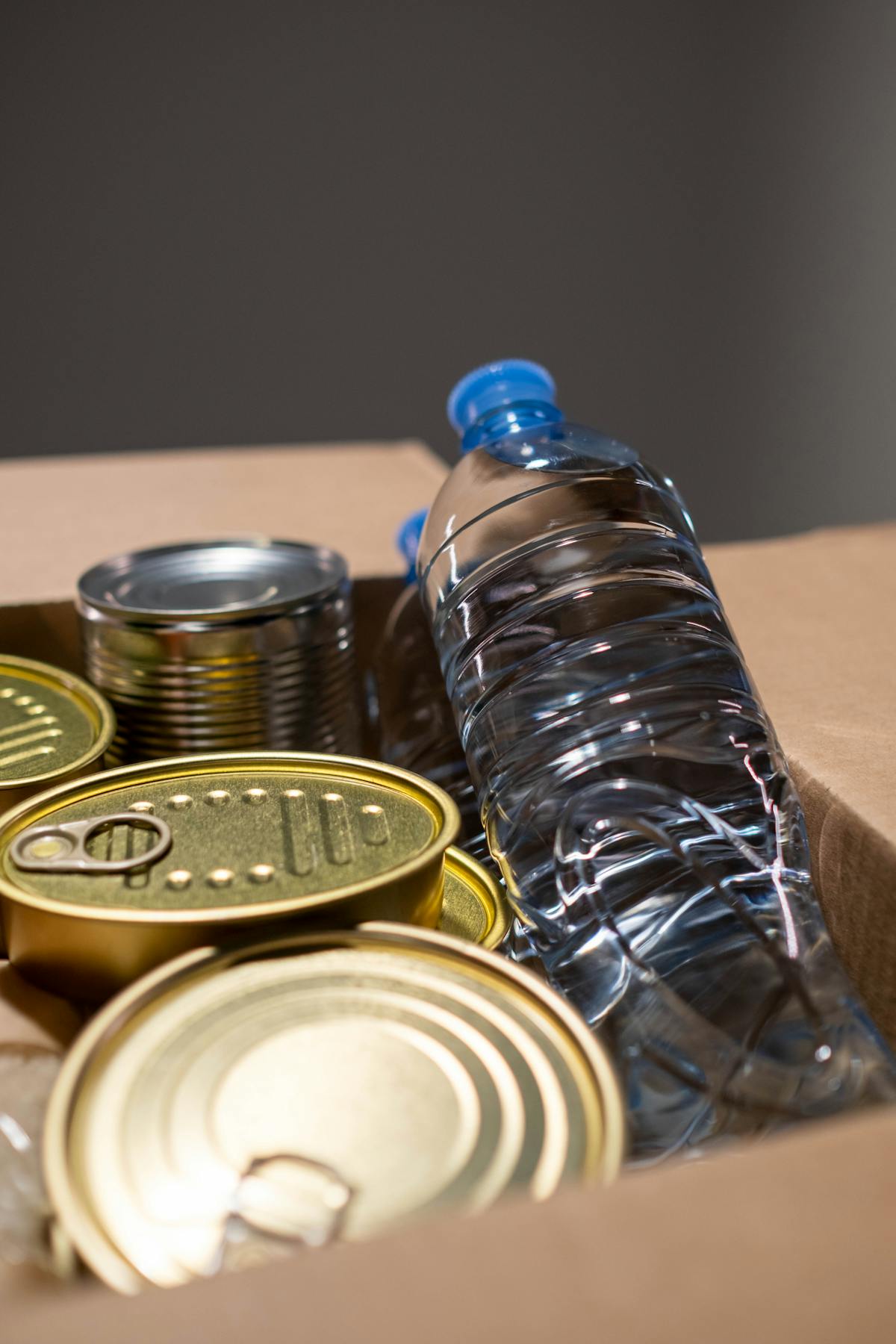
Flood Emergency Kit Checklist: Everything You Need
FEMA recommends a 72-hour kit. For flood-prone areas, that's the floor — not the ceiling. Floodwater contaminates municipal water supplies, cuts off roads for days, and eliminates power for weeks. This checklist covers every category your household needs, in priority order, with specific product recommendations and quantities.
This goes beyond a standard emergency kit guide. Flooding creates unique hazards — sewage contamination, mold within 48 hours, chemical runoff — that require flood-specific gear most generic checklists miss. Work through this list category by category and you'll be genuinely prepared.
How to Use This Checklist
Use the priority tiers: Tier 1 items are life-safety essentials — acquire these first. Tier 2 items dramatically improve your outcome but aren't immediately life-threatening. Tier 3 items extend your self-sufficiency and speed your recovery. Build your kit in tier order if budget is a constraint.
For the step-by-step emergency action plan, see the Flood Emergency Action Plan. For how much water specifically to store, see our water storage guide.
Tier 1: Life-Safety Essentials
Water — Non-Negotiable
Floodwater is toxic — contaminated with sewage, agricultural runoff, and industrial chemicals. Municipal water supplies frequently fail after major floods. You cannot rely on tap water during or immediately after a flood event.
| Item | Quantity (per person) | Notes |
|---|---|---|
| Stored water (sealed containers) | 1 gallon/day minimum | 14-day supply ideal for flood-prone areas |
| Emergency water pouches | 72+ per household | 5-year shelf life, Coast Guard certified |
| LifeStraw personal water filter | 1 per adult | Filters 1,000 gallons — backup purification |
| Water purification tablets | 1 bottle per household | Chemical backup if filter fails |
For the full calculation on household quantities, storage containers, and purification backup, see our detailed guide on how much water to store for emergencies.
Food
- Minimum 72-hour supply, target 2 weeks for flood-prone households
- No-cook, ready-to-eat items only — gas may be shut off; stoves may be flooded or contaminated
- Freeze-dried meal supply bucket — 25-year shelf life, complete calories per day
- Pull-tab canned goods (require no can opener)
- High-calorie emergency bars (2,400–3,600 kcal per bar)
- Protein bars, nut butters, trail mix — calorie-dense and shelf-stable
- Two manual can openers (they fail; always have a spare)
For product-by-product comparisons of freeze-dried meals, MREs, and canned goods, see our guide to best emergency food supplies for flood prep.
First Aid
- Comprehensive first aid kit — not a basic kit; floods cause serious injuries
- Wound irrigation syringe — critical for cleaning debris from flood-related cuts
- Eye wash solution — floodwater in eyes causes severe infections
- Antibiotic ointment and waterproof bandages
- Prescription medications: minimum 2-week supply in a waterproof container
- Written medication list with dosages and prescribing physician contact
- Over-the-counter essentials: pain reliever, anti-diarrheal, antihistamine, antacid
- Tetanus records — anyone doing flood cleanup should be current on tetanus
Tier 2: Critical Readiness Items
Communication and Power
- NOAA emergency weather radio (battery + hand-crank + solar) — broadcasts emergency alerts 24/7 when cell service and internet fail
- High-capacity power bank (20,000+ mAh) — charges smartphones 5–7 times; keep fully charged; rotate monthly
- Car charger adapter — your vehicle battery is a power source when the grid is down
- LED flashlights (waterproof) — minimum 2 per household, plus headlamps for hands-free work
- Extra batteries: AA, AAA, D, 9V — 2 complete sets for every device in your kit
- Waterproof phone case — for documenting flood damage and maintaining communications
Flood-Specific Protection Gear
This is what separates a flood kit from a generic emergency kit. Standard emergency guides skip these — but entering floodwater without proper protection causes infected wounds, respiratory illness, and chemical exposure.
- Rubber or neoprene knee-high boots — never wade in floodwater in regular shoes. One pair per adult. Floodwater contains sewage, broken glass, nails, and toxic chemicals.
- Heavy-duty nitrile or rubber gloves — a box of 50 disposable nitrile gloves plus reusable rubber gloves for extended cleanup work
- N95 respirator masks — minimum 10 per adult. Mold spores, bacteria, and construction dust are serious respiratory hazards during and after floods.
- Safety glasses or goggles — protect against splashing contaminated water and airborne debris
- Tyvek disposable coveralls — for heavily contaminated cleanup environments
- Life vests (Type III Coast Guard-approved) — one per family member in high-risk zones
Document Protection
- Waterproof document bag — grab-and-go storage for critical originals
- Fireproof and waterproof safe (elevated above expected flood level) — for at-home document storage
- Cloud backup of all documents — insurance policies, IDs, property records, home inventory photos
Documents to protect: Flood insurance policy and agent contact, government IDs (passports, driver's licenses, birth certificates, Social Security cards), property deed and mortgage documents, vehicle titles, recent tax returns, financial account numbers, and medical records.
For full guidance on the best waterproof bags for document protection and go-bags, see our Waterproof Bags for Emergencies guide.
Tier 3: Extended Self-Sufficiency
Shelter and Comfort
- Warm sleeping bags rated below expected temperatures — power outages mean no heat
- Emergency mylar blankets (pack of 10) — compact, reflect 90% of body heat
- Extra clothing: one set per person per day for 3 days, including rain gear and warm layers
- Sturdy work gloves (leather or heavy nitrile) for debris removal during cleanup
- Heavy-duty contractor trash bags (50-pack, 30+ gallon) — essential for flood cleanup
- Cash in small bills — ATMs don't function when power is out; keep $200–$500 in mixed denominations
Quick-Deploy Flood Defense
Stage these items near your entry points before flood season — not buried inside the kit where they can't be reached quickly:
- Water-activated flood barriers at primary door thresholds — deploy in under 2 minutes with no filling required
- See the barriers vs. sandbags comparison to choose the right type for your specific home configuration
- Sump pump with battery backup — the single highest-impact piece of flood equipment for below-grade spaces. See the complete sump pump guide.
- Wet/dry vacuum — for post-flood water removal from carpet and flooring gaps
Cleanup Supplies
- Chlorine bleach (unscented, 6–8.25% sodium hypochlorite) — 1/2 cup per gallon of water for surface disinfection after flood exposure
- Liquid dish soap and scrub brushes designated for flood cleanup only
- Digital moisture meter ($20–$50 at hardware stores) — tells you when structural wood is dry enough to close walls
- Pry bar and utility knife — for removing water-damaged drywall safely
- Mops, buckets, and heavy-duty brooms
Special Needs Addendums
Infants and Young Children
- Formula, bottles, and sterilization supplies — 2-week supply minimum for infants
- Diapers, wipes, and diaper rash cream — 2-week minimum
- Children's medications: acetaminophen, antihistamine, anti-diarrheal
- Comfort item such as a familiar stuffed animal — reduces trauma in young children during evacuations
Elderly and Mobility-Limited Household Members
- Printed medication list with dosages — readable without a phone or computer
- Extra hearing aid batteries and mobility aid supplies
- Register with your local utility's medical baseline program for priority power restoration
- Register with your county's Access and Functional Needs (AFN) registry for evacuation assistance
Pets
- 3–7 day pet food supply in a waterproof container
- Collapsible water bowl and extra water allocation (1/4 to 1/2 gallon per day for dogs)
- Carrier or crate for transport; current ID tags and a recent photo in case of separation
- Vaccination records and medications
- Pre-researched list of pet-friendly hotels and shelters on your evacuation routes — most public shelters don't accept pets
Kit Maintenance Schedule
| Frequency | Task |
|---|---|
| Monthly | Confirm power bank is fully charged; verify battery-powered devices work |
| Every 6 months | Rotate food and water; check medication expiration dates; update document copies in cloud storage |
| Annually | Full kit review; replace expired items; update emergency contact list; practice family emergency plan |
Kit Storage: Where Matters as Much as What
- Never store your kit in the basement — that's the first space to flood. Upper floor or elevated shelf only.
- Use waterproof totes or a sealed plastic bin with rubber gaskets
- Label every compartment — any family member should locate any item in under 2 minutes
- Keep a smaller grab-and-go bag inside the main kit (documents, medications, phone charger, power bank) for rapid evacuation without carrying the full kit
Your Kit Is the Foundation — Not the Ceiling
This kit keeps your family safe through the emergency and powers your recovery. It doesn't protect your house from flooding — that requires a different investment. See our Complete Flood Protection Guide for barriers, drainage, and structural hardening strategies that work before the water arrives.
Use the Flood Mitigation Cost Calculator to budget both your kit and your home protection investments together. Take the Free Flood Risk Assessment to understand exactly how prepared you need to be based on your property's actual risk level and flood history.
Start with Tier 1. Complete Tier 2 within the month. Finish Tier 3 before flood season. That sequence takes a household from zero preparedness to genuinely ready — and it starts with a list, not a crisis.