Waterproof Bags for Emergencies: Best Options Tested
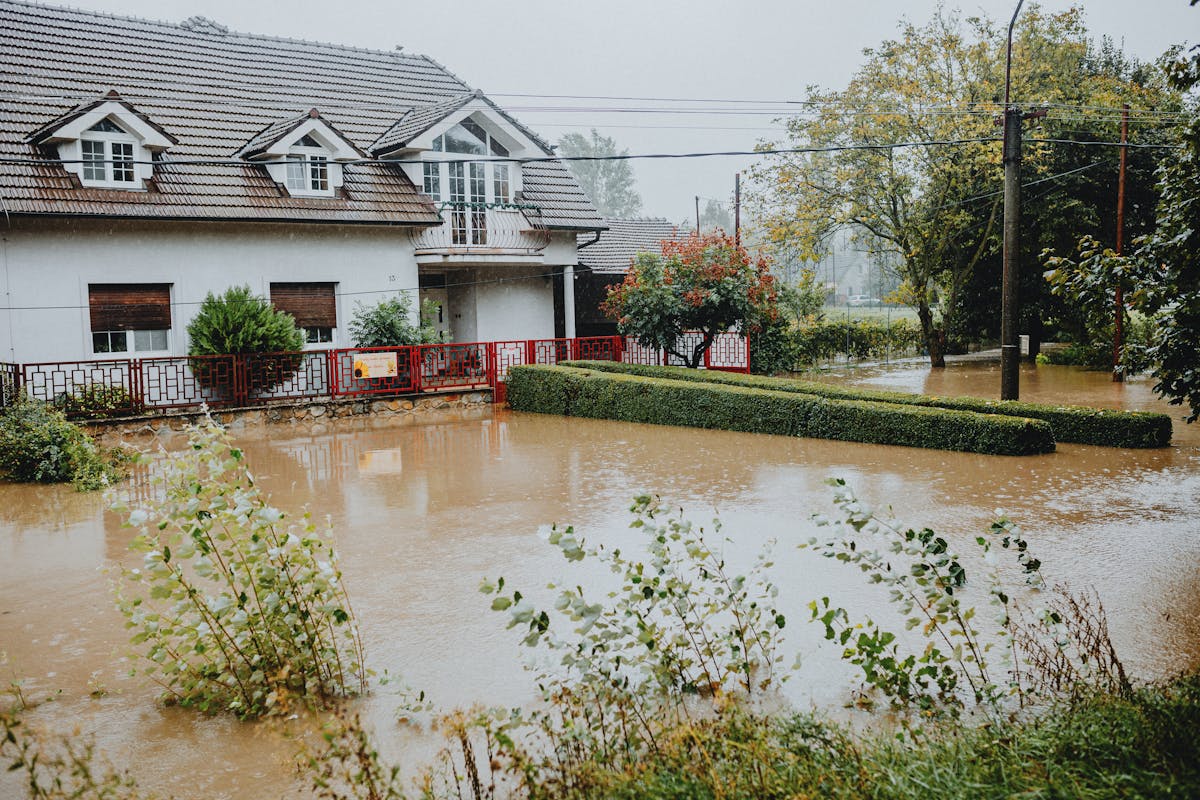
Floodwater destroys documents, electronics, medications, and irreplaceable items in minutes. The right waterproof bag keeps your emergency kit dry, your documents recoverable, and your go-bag functional even after submersion. Here's what actually works — and why the differences between products matter far more than most buyers realize before a flood.
There are five distinct categories of waterproof bags for emergency use: document pouches, dry bags, waterproof backpacks and duffels, kit organization cases, and specialty pouches. Each serves a different function. Most prepared households need at least two types. This guide tells you which products in each category are worth buying and which aren't.
Why Waterproofing Matters in Flood Emergencies
Generic emergency bags are not waterproof. The nylon duffel you grab in a hurry will soak through within minutes of floodwater exposure. The consequences are severe:
- Documents lost: Passports, insurance policies, property deeds, Social Security cards. Document replacement after a disaster takes months and hundreds of dollars — and you need these documents within days to file insurance claims and access federal assistance.
- Electronics destroyed: Phone charger, power bank, NOAA weather radio. Without working communications equipment, you lose your connection to emergency alerts and rescue coordination.
- Medications damaged: Many medications dissolve or degrade immediately on contact with water. A 2-week medication supply that gets wet is a health crisis layered on top of a flood crisis.
- Cash rendered useless: Paper currency becomes unusable after extended water exposure. ATMs don't function during power outages — cash is your emergency payment system.
The solution is specific: store critical items in bags rated for submersion, not just splash resistance. Here's exactly what the ratings mean.
Waterproof Ratings Explained
| Rating | What It Means | Flood Suitability |
|---|---|---|
| Water-resistant | Repels light rain and splashing; not sealed | No — fails in any submersion |
| IPX4 | Protected against splashing from any direction | Marginal — fails in submersion |
| IPX6 | Protected against powerful water jets | Partial — handles rain, not submersion |
| IPX7 | Submersion to 1 meter for 30 minutes | Good — handles most residential flood exposure |
| IPX8 | Continuous submersion beyond 1 meter | Excellent — rated for serious flood conditions |
| Roll-top dry bag (tested) | Submersion-rated to depth based on roll count | Excellent — outdoor industry standard for immersion |
For flood emergencies, target IPX7 or higher for electronics cases, and tested roll-top dry bags (minimum 3-roll closure) for your main emergency kit and document storage. "Water-resistant" on the label is not protection — it's marketing.
Best Document Pouches
Your documents are your most important emergency asset. Insurance policies, IDs, and property records are what enable your financial recovery. Losing them in a flood adds weeks of bureaucratic delay to an already difficult situation. Protect them first.
1. AWMA Waterproof Document Bag (Best Overall)
AWMA Large Waterproof Document Bag — the best combination of capacity, true waterproofing, and grab-and-go portability:
- Submersion-rated waterproof zipper closure — not just water-resistant
- Fits standard letter-size documents flat, plus passports, cards, and small valuables
- Clear interior window — see contents without opening
- Bright orange exterior — visible in debris and low-light conditions
- Shoulder strap included for hands-free evacuation carry
Best for: Primary document storage in your emergency kit; the one item you grab first during immediate evacuation.
2. Pelican 1510 Case (Maximum Protection)
For households with truly irreplaceable items — a Pelican hard case rated to IP67 provides waterproof and crush-proof protection for passports, external hard drives, and sensitive electronics. Significantly more expensive and less portable than soft document bags, but effectively indestructible under flood conditions.
Best for: Stationary home storage of the most critical documents and irreplaceable items. Not recommended as a grab-and-go bag — too heavy for evacuation under stress.
Best Dry Bags
The outdoor industry has solved waterproof bag technology far better than the emergency preparedness industry. Roll-top dry bags designed for kayaking and rafting are the most reliable submersion-proof bags available at any price point. The design is simple and proven: roll the top down 3 or more times and buckle it shut; the seal is mechanical and doesn't rely on glue, gaskets, or zippers that can fail.
1. Earth Pak Waterproof Dry Bag (Best Value)
Earth Pak Waterproof Dry Bag — top-rated for actual waterproofing performance at an accessible price. Available in 10L, 20L, 40L, and 55L.
- 500D PVC tarpaulin construction — significantly more durable than thin-walled competitors
- Roll-top closure with aluminum buckle: 3 rolls minimum for submersion protection; 4+ rolls for deeper water
- Welded seams throughout — no stitching that water can penetrate
- D-ring anchor point for securing the bag to a fixed object or larger pack frame
- IPX8-equivalent when properly sealed with 3+ rolls
Recommended sizes for emergency use: 20L for the main emergency kit; 10L for a dedicated document and electronics pouch inside the main kit.
2. OverBoard Pro-Sports Waterproof Bag (Best Premium)
OverBoard Pro-Sports Waterproof Dry Bag — pressure-tested to 6 meters submersion with a lifetime guarantee. OverBoard is the standard in professional maritime and rescue environments.
- 6-meter submersion certified with in-house pressure testing
- Lifetime guarantee — covers manufacturing defects and seal failures
- Available in 20L, 30L, and 40L configurations
- More expensive than Earth Pak — justified for the highest-risk flood zones or professional emergency preparedness applications
Best for: Households in Zone AE or VE flood zones; coastal properties; anyone with flood history where submersion of gear is a realistic scenario.
Best Waterproof Backpacks (Go-Bag Options)
A go-bag backpack needs to carry your emergency kit while protecting its contents from heavy rain and incidental flooding during evacuation. True submersion is rare during foot evacuation, but heavy rain during evacuation on foot is essentially guaranteed.
MARCHWAY Floating Waterproof Backpack
A roll-top waterproof backpack with 40L capacity, fully welded seams, and ergonomic shoulder straps. Floats when fully sealed — critical if evacuation requires crossing shallow water or wading through flooded areas. Converts from backpack to duffel configuration with strap adjustment.
- 40L capacity — sufficient for a complete 72-hour emergency kit
- Buoyant when sealed — contains air pocket that keeps the bag afloat and contents dry even if you fall
- Multiple exterior MOLLE attachment points for additional gear
- Padded back panel for extended carry comfort during long evacuation distances
What to Put in Your Waterproof Bags
Document Pouch (First-Out Priority)
- Flood insurance and homeowner's insurance policies with agent contact numbers
- Government IDs: passports, driver's licenses, birth certificates, Social Security cards
- Property deed and mortgage documents
- Vehicle titles and registration
- Medical records, prescription list with dosages, and vaccination records
- Recent bank statements and financial account numbers
- Emergency contact list on paper — not just stored in your phone
- Cash in mixed bills: $200–$500 minimum
Electronics Pouch (Inside Main Dry Bag)
- High-capacity power bank (fully charged)
- Phone charging cables and car charger adapter
- Spare batteries for NOAA radio and flashlights
- USB drive with scanned digital copies of all critical documents
Medical Pouch (Waterproof, Inside Main Dry Bag)
- 14-day supply of all prescription medications in original labeled bottles
- Over-the-counter medications: pain reliever, antihistamine, anti-diarrheal
- Copy of all prescription labels with dosage instructions
- Medical alert documentation if applicable for any household member
Common Mistakes That Cost People in Real Floods
- Assuming "water-resistant" means waterproof — it doesn't. Water-resistant bags fail in any submersion scenario. Floods create submersion scenarios.
- Overstuffing roll-top bags — a roll-top bag requires 3+ full rolls to seal properly. Overfilling prevents adequate rolling and breaks the waterproof seal. Pack for sealing, not for maximum capacity.
- Skipping the bathtub test — fill your sealed bag with a non-critical item and submerge it in your bathtub for 30 minutes before trusting it in a real emergency. Verify the seal works before your life depends on it.
- Storing the bag in the basement — it needs to be on an upper floor, immediately accessible without entering the flooded space. Pre-position it before flood season.
- Buying one bag and calling it done — documents and electronics need separate sealed pouches inside the main bag, not loose in a single large container.
The Two-Bag Minimum Setup
The optimal waterproof bag configuration for flood emergencies uses two levels that serve different scenarios:
- Document pouch (grab-and-go priority): The one item you take in an immediate evacuation with no time to think. Waterproof document bag with all critical papers and $200 cash, stored on a hook or shelf — not buried in a closet.
- Main dry bag (full kit evacuation): A 20–40L roll-top dry bag containing your complete emergency kit — food, water pouches, medications, electronics, and clothing. This is what you take for a multi-day displacement.
For complete guidance on what goes into these bags, see the Flood Emergency Kit Checklist and the Flood Emergency Action Plan. For the complete range of flood protection products including barriers, sump pumps, and detection gear, browse the FloodReady product catalog.
Use the Free Flood Risk Assessment to determine your specific flood exposure and calibrate your preparedness investment accordingly.
Buy the Earth Pak 20L for your main kit and the AWMA document bag for your critical papers. Test both in your bathtub this weekend. That $50 investment protects documents and gear worth tens of thousands of dollars — and enables your entire financial recovery after a flood.